Do I really need to patch that small crack or pothole? Can't I just wait?
Look, I get it. You see a little crack or a small pothole and think, "Eh, it's not hurting anything." But here's the deal: that small crack is a direct invitation for water to get under your asphalt. And once water gets in, especially with our occasional heavy rains here in Ventura, it starts to erode the base layer beneath your pavement. That's when things really go south.
When the base weakens, the asphalt above it loses support, and that little crack turns into a bigger one, or worse, a full-blown pothole. If you wait, that small, inexpensive patch job becomes a much larger, more expensive repair down the line, maybe even requiring a full section replacement. It's like a small leak in your roof; you wouldn't wait for it to become a huge hole, right? Patching early saves you money and headaches.
What's the difference between cold patch and hot mix asphalt? Which one should I use?
This is a big one, and it's where a lot of DIYers can make mistakes. Cold patch asphalt is what you typically buy in bags at the hardware store. It's designed for temporary fixes, usually for emergencies or very small, shallow potholes. It's easy to work with because it doesn't need to be heated, but it's not nearly as durable or long-lasting as hot mix.
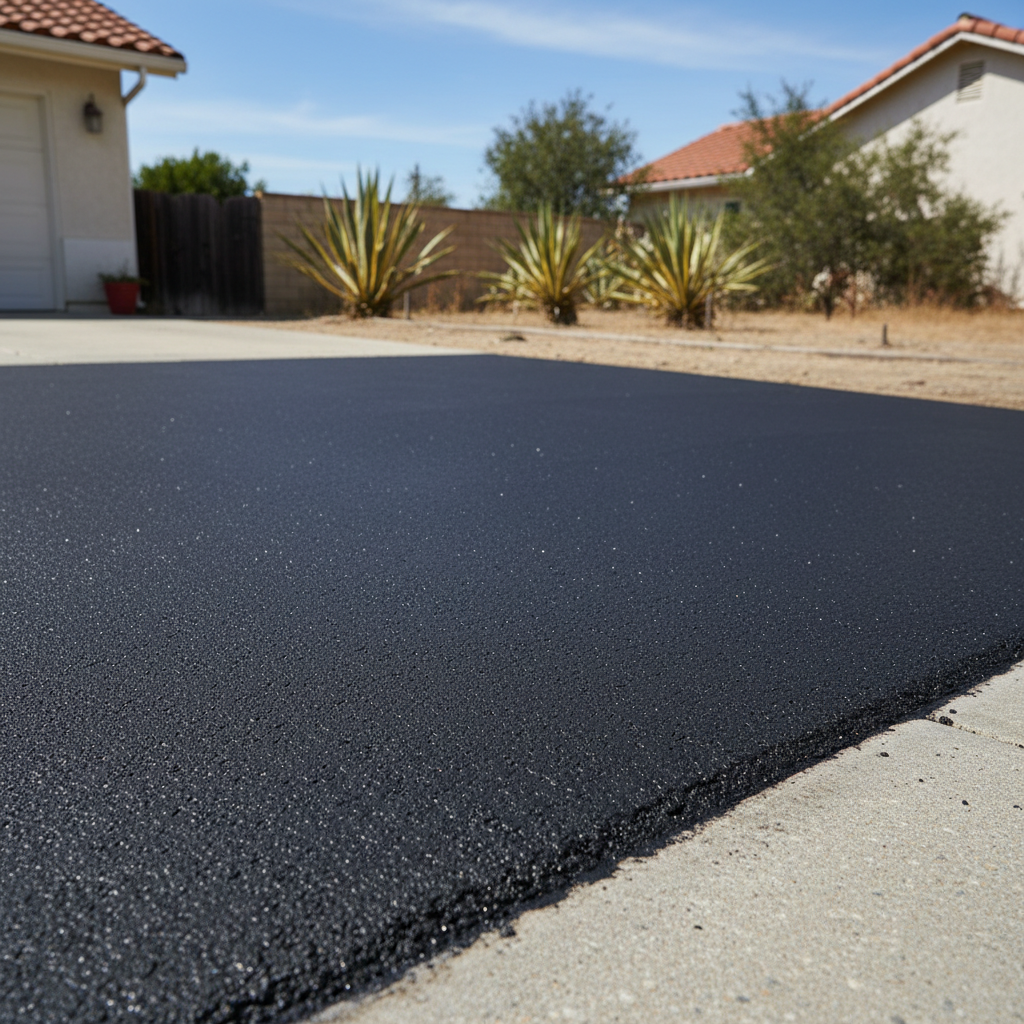
Hot mix asphalt, on the other hand, is what we professionals use. It's heated to high temperatures (around 300-350°F) and applied while hot. When it cools and compacts, it forms a much stronger, more cohesive bond with the existing pavement. For any repair that you want to last, especially on high-traffic areas like driveways or parking lots, hot mix is the only way to go. Cold patch might get you through a week or two, but it's not a permanent solution, especially with cars constantly driving over it.
How long does an asphalt patch typically last?
The lifespan of an asphalt patch really depends on a few factors: the quality of the material, the skill of the installation, and the amount of traffic it sees. If it's a properly installed hot mix patch, done by someone who knows what they're doing, you can expect it to last for many years – often 5 to 10 years, sometimes even longer. It should blend in well and hold up just like the surrounding pavement.
However, if it's a quick cold patch job, or if the underlying issue (like poor drainage or a weak base) isn't addressed, it might only last a few months to a year before failing. That's why getting it done right the first time is crucial. You want a patch that becomes a seamless part of your pavement, not just a temporary bandage.
Can I just patch my driveway myself, or should I hire a professional?
For a tiny, shallow pothole that's more of an eyesore than a structural problem, and you just need a quick fix, sure, you can try a cold patch from the store. Just know it's not going to last. But for anything larger, deeper, or if you want a repair that actually holds up, you absolutely need a professional.
Patching isn't just about dumping some asphalt into a hole. It involves proper cleaning of the area, cutting out damaged sections, preparing the base, applying the hot mix at the right temperature, and compacting it correctly. We've got the specialized equipment, the hot mix asphalt, and the experience to make sure the patch integrates properly and lasts. Trying to do a significant patch yourself often ends up costing more in the long run when it fails and needs to be redone.
What causes asphalt to crack and pothole in the first place?
There are a few main culprits. The biggest one, as I mentioned, is water. Water seeps into cracks, gets under the asphalt, and erodes the base layer. Once that base is compromised, the asphalt above it loses support and starts to crack and break apart, leading to potholes.
Another factor is heavy traffic or heavy loads. If your driveway wasn't designed for the weight of, say, an RV or heavy delivery trucks, it can put excessive stress on the pavement, causing it to fail. Then there's the sun and weather cycles. Our Ventura sun can be intense, causing the asphalt to oxidize and become brittle over time. And while we don't get extreme freezing, the expansion and contraction from temperature changes can also contribute to cracking. Poor initial installation, like an inadequate base or improper compaction, also plays a huge role.
When is it too late for patching? Do I need a full replacement?
This is the million-dollar question, and it's tough to answer without seeing the pavement. Generally, if the damage is isolated to specific areas – a few potholes, some alligator cracking in a small section – patching is usually a cost-effective solution. We can cut out the bad areas, prepare the base, and lay down new hot mix. For example, if you have a couple of bad spots near your garage or a few cracks in the main drive, patching is probably the way to go.
However, if your entire driveway looks like a spiderweb of cracks, if there are multiple deep, widespread potholes, if the asphalt is crumbling over a large area, or if the base failure is extensive throughout, then patching becomes less effective. You'd be patching one spot only for another to fail right next to it. At that point, you're better off investing in a full asphalt overlay or even a complete remove and replace. We can come out, take a look, and give you an honest assessment of what makes the most sense for your specific situation. Here at Omega Asphalt Inc, we're always upfront about what we think is the best long-term solution for your property.