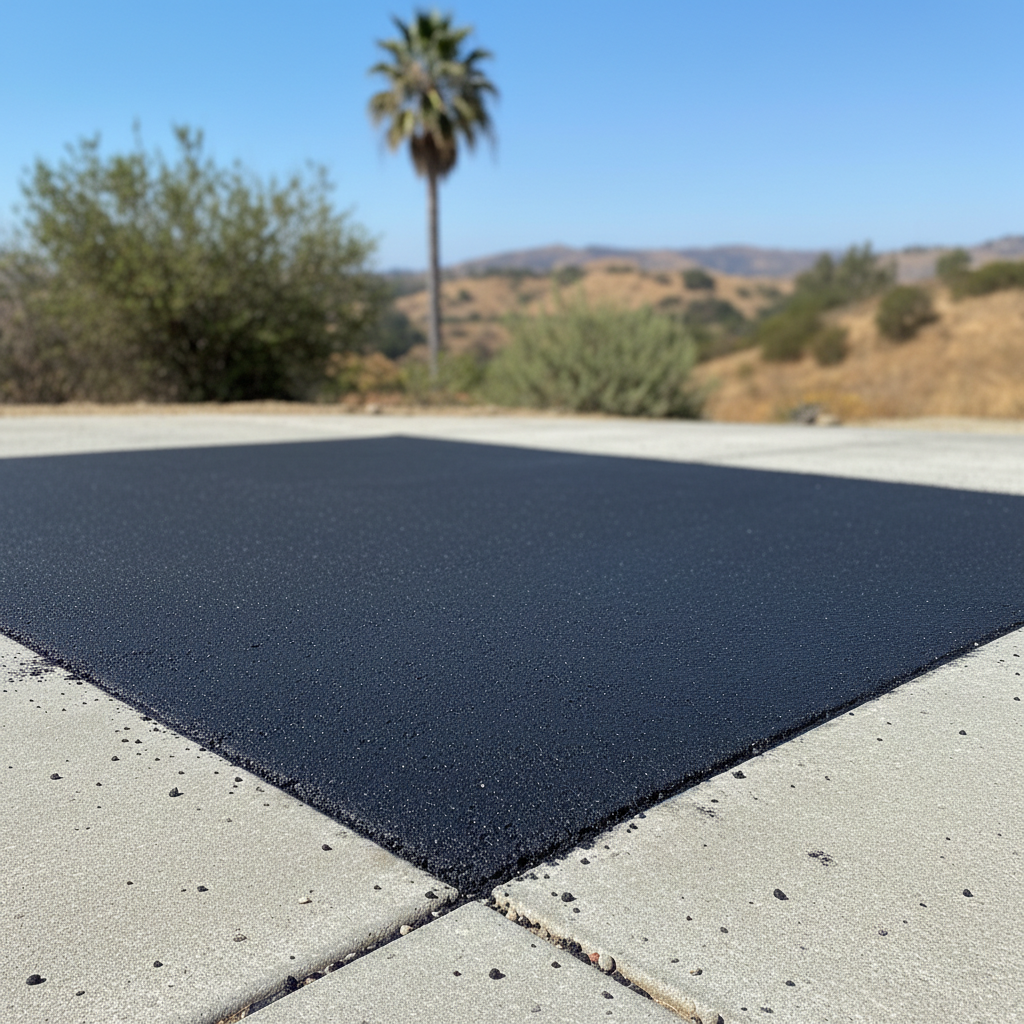
What causes asphalt driveways to break down here in Ventura?
You see it everywhere, right? Cracks, potholes, faded surfaces. A lot of things contribute to asphalt breaking down, but for us here in Ventura, a few really stand out. First, we get a ton of sun. That UV radiation is brutal on asphalt, drying out the binders and making it brittle. Then you’ve got water intrusion. Even tiny cracks let water seep underneath, and if it freezes and thaws – though that’s less common right on the coast, it definitely happens inland or during cold snaps – it expands and contracts, pushing the asphalt up. Even without freezing, just constant moisture weakens the base layer. And let’s not forget the ground movement. We’re in an active seismic zone, and while a big quake is obvious, even minor shifts over time can stress pavement. Heavy vehicles, tree roots, and just plain old age are also big factors. It’s a combination of all these things that really takes a toll on your driveway.
How long does an asphalt repair typically last?
That’s a tough one to give a single answer for, because it really depends on the type of repair, the quality of the original asphalt, and how well you keep it up afterward. A simple crack fill, if done right with a good quality sealant, can last several years – maybe 3 to 5 – before needing attention again. A patch, like a cut-and-patch repair where we remove a section and replace it, can last 5 to 10 years, sometimes longer, especially if the underlying base was stable. But if the whole driveway is failing because of a bad base, those patches are just temporary fixes. They’ll hold for a bit, but new cracks will likely pop up around them. The key is to address the root cause if you want repairs to truly last. Think of it like a leaky roof; patching one spot won't fix the whole problem if the structure underneath is compromised.
Can I just fix it myself with stuff from the hardware store?
Look, for a tiny, superficial crack, sure, you can grab a tube of crack filler and give it a shot. It might hold for a little while. But for anything more substantial – potholes, alligator cracking, or larger areas of damage – you’re probably going to waste your time and money. Those DIY products just don’t have the same durability or adhesive qualities as the professional-grade materials we use. Plus, proper repair isn't just about dumping material into a hole. It involves cleaning the area thoroughly, sometimes cutting out damaged sections, preparing the base, and compacting the new asphalt correctly. Without the right equipment and experience, you’re likely to end up with a repair that fails quickly, often within a few months. Then you’re calling us anyway, sometimes making our job harder because of the previous attempt. It’s usually better to save your back and call the pros.
When is it too late to repair, and I just need a new driveway?
That’s the million-dollar question, isn’t it? Generally, if your driveway has widespread alligator cracking – that pattern that looks like alligator skin – over more than 25-30% of its surface, or if you have multiple deep potholes, especially if they keep reappearing even after patching, you’re probably looking at a replacement or at least a significant overlay. If the edges are crumbling badly, or if you see areas where the asphalt has completely separated from the base, that’s another big red flag. Also, if the driveway has significant drainage issues causing puddles that never dry, and the base is constantly saturated, repairs won't hold. For example, some of those older driveways in the Pierpont area, if they haven't been maintained, often reach a point where the base itself is just too far gone. At that point, you’re throwing good money after bad trying to patch it. We’ll always give you an honest assessment, but sometimes a fresh start is the most cost-effective long-term solution.
How long after repair can I drive on my asphalt?
This is important, and it depends on the type of repair and the weather. For simple crack filling, you can usually drive on it within a few hours, sometimes less, especially on a warm, sunny day. The material needs time to cure and harden. For a patch repair, where we’ve laid down new hot asphalt, we usually recommend waiting at least 24 hours, and ideally 48 hours, before driving heavy vehicles over it. If it’s a particularly hot day, or if you have very heavy vehicles, giving it even more time isn't a bad idea. You want that new asphalt to cool and compact fully without being disturbed. We’ll always give you specific instructions once the job is done, but generally, patience pays off here to ensure the repair sets properly and lasts.
What kind of maintenance should I do after a repair to make it last?
Once we’ve got your asphalt looking good again, a little ongoing care goes a long way. The biggest thing is to keep it clean. Sweep off dirt, leaves, and debris regularly. Don’t let oil or gas spills sit on the surface; clean them up immediately, as petroleum products dissolve asphalt binders. Keep an eye out for new cracks forming and address them early – a small crack is much cheaper and easier to fix than a big pothole. If you have trees nearby, watch for roots pushing up the asphalt. And consider sealcoating every few years. That’s like sunscreen for your driveway; it protects against UV rays and water intrusion, significantly extending its life. Here at Omega Asphalt Inc, we always stress that preventative maintenance is your best friend for getting the most out of your investment.