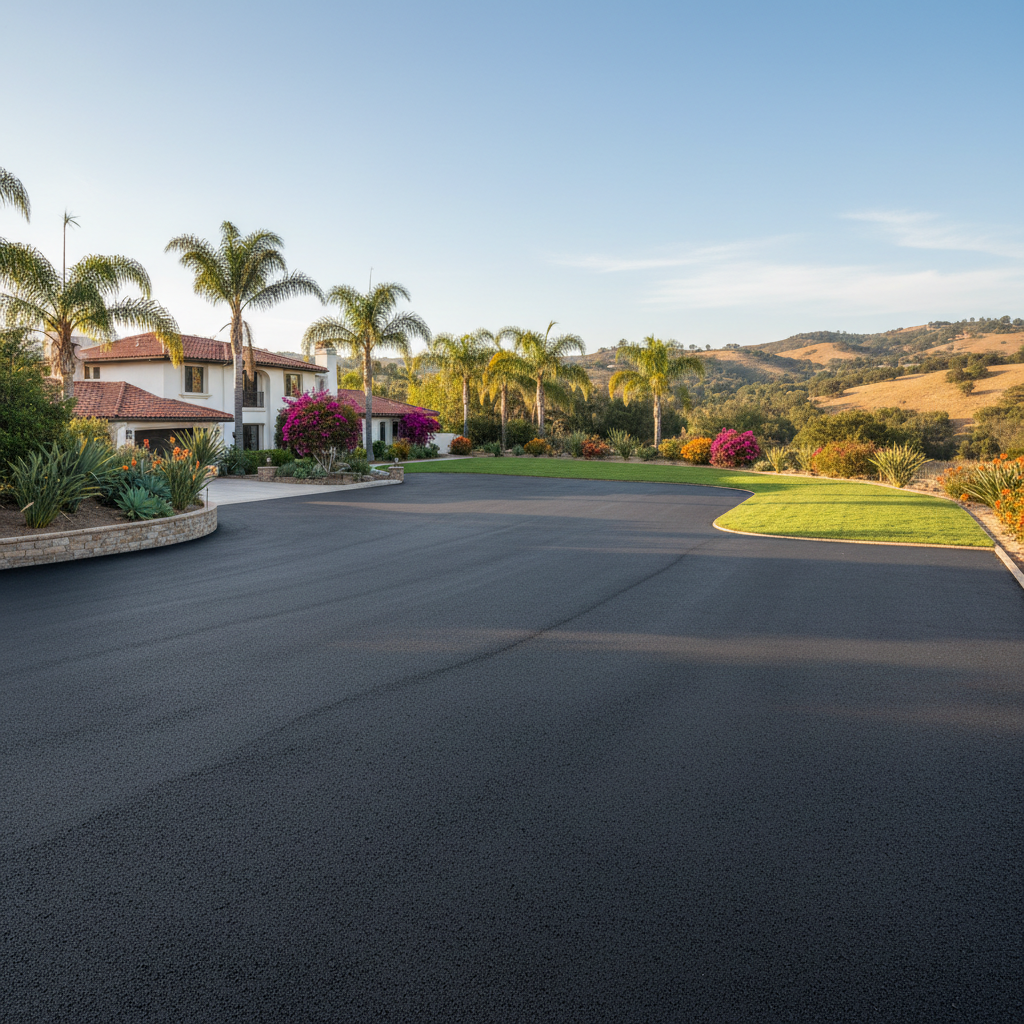
So, you've got a commercial property here in Ventura. Chances are, it's got asphalt. Think about it: parking lots, access roads, loading docks – all of it plays a part in your business's first impression and how things run day-to-day. That asphalt isn't just a surface, you know? It's an investment. And like any investment, you really need to protect it. I've seen too many businesses just let their pavement go, only to end up with massive, budget-busting repair bills. Don't let that be you.
Want Your Asphalt to Last Longer? It's Easier Than You Think
The big secret to asphalt that lasts isn't some magic potion. Nope. It's just consistent, proactive care. Picture it like changing the oil in your company vehicles. You wouldn't skip that, right? Your asphalt needs that same kind of attention.
- Keep it Clean: This sounds super basic, but dirt, leaves, and trash can actually trap moisture. That speeds up deterioration. Sweeping regularly, especially after a windy day or a heavy rain, really helps prevent this. Got oil or chemical spills? Clean them up right away. Seriously, they eat away at the binder in the asphalt.
- Drainage is Key: Ventura gets its share of rain, especially in the winter months. If water isn't draining off your lot like it should, it'll just sit there, seep into cracks, and start to undermine the base. And then? We're talking potholes and alligator cracking. Make sure your catch basins are clear and that your lot's grading is still doing its job. Ponding water is a huge red flag; don't ignore it.
- Manage Heavy Loads: If you've got delivery trucks or heavy equipment constantly using certain areas, those spots are going to wear out faster. It's just how it goes. Maybe think about designating specific routes or parking areas for your heaviest vehicles. This helps spread out the stress.
- Sealcoating: This is basically your asphalt's sunscreen and rain jacket all rolled into one. A good quality sealcoat, put down every 2-3 years (depending on how much traffic you get and how much wear it sees), protects the surface from those harsh UV rays, water getting in, and oxidation. It keeps the asphalt flexible and looking good. For businesses right on the coast, like those near the Ventura Pier, that constant salt air exposure makes sealcoating even more critical.
What Does Regular Maintenance Actually Look Like?
Beyond just sealcoating, there's a routine you really should be following. This isn't rocket science, folks; it's just smart business.
- Annual Inspections: Walk your property at least once a year. Twice is even better. Look for any new cracks, soft spots, or places where water is pooling. Catching things early saves you a ton of money down the road. After a good rain, by the way, is a fantastic time to spot drainage issues.
- Crack Filling: This is probably the most important thing you can do between sealcoats. Cracks are like open wounds for your asphalt. Water gets in, freezes (rarely here, but it happens during colder snaps), expands, and widens the crack. Then the sun beats down, and the crack just gets bigger. Fill those cracks with hot rubberized sealant as soon as you see them. It stops water from getting to the base layer, which is where the real damage starts.
- Patching: If you've got small potholes or areas of alligator cracking (that's lots of interconnected cracks that look like alligator skin, you know?), get them patched. Don't wait until they turn into craters. Cold patch is only a temporary fix; hot mix asphalt is what you want for a durable repair.
Warning Signs You Absolutely Can't Ignore
Your asphalt will definitely tell you when it's in trouble. You just need to know what to "listen" for.
- Potholes: Obvious, right? But even small ones signal a problem with the underlying structure. They'll only get bigger, trust me.
- Alligator Cracking: This is a serious sign. It means the base layer beneath the asphalt is failing, usually because of water getting in. You're past simple crack filling here; you'll likely need that area cut out and replaced.
- Fading and Discoloration: If your asphalt looks gray instead of black, it's oxidizing. The sun's UV rays are breaking down the binder, making the asphalt brittle and prone to cracking. This is exactly where sealcoating really comes in handy.
- Standing Water: After a rain, if you've got puddles that don't drain within a few hours, you have a drainage problem. This will absolutely lead to base failure and potholes.
- Raveling: This is when the aggregate (those small stones) starts to come loose from the asphalt binder, making the surface rough and crumbly. It means the asphalt is losing its integrity.
- Depressions or Sinking Areas: If parts of your lot are sinking, that's a sign of a serious issue with the sub-base or maybe even an underground utility problem.
When to Call a Professional
Look, you're busy running your business. You can't be out there with a bucket of crack filler every weekend, can you? That's where we come in.
- Any major cracking or potholes: If it's more than a few linear feet of cracks or just a small pothole, call us. We've got the right equipment and materials to do it right.
- Drainage issues: If water is consistently pooling, you need a professional to assess the grading and possibly install or repair drains.
- Alligator cracking: This isn't a DIY job. It needs sections of asphalt cut out and replaced, and often means addressing the base layer underneath.
- Sealcoating: While some folks try to do it themselves, getting an even, effective sealcoat really needs specialized equipment and experience. You want it done right so it actually lasts.
- Any time you're unsure: If you see something that just doesn't look right, or you're not sure what kind of repair is needed, pick up the phone. A quick inspection from Omega Asphalt Inc. can save you a fortune down the line. We'd honestly rather give you an honest assessment early than come in for a full-blown reconstruction later.
Taking care of your commercial asphalt isn't just about how it looks; it's about safety for your customers and employees, protecting your property, and keeping your business's value up. A little bit of attention now goes a long, long way.